
Dementia is one of the most challenging conditions to manage, both for families and healthcare providers. Understanding the delicate needs of individuals with dementia requires not only medical expertise but also emotional intelligence and compassion.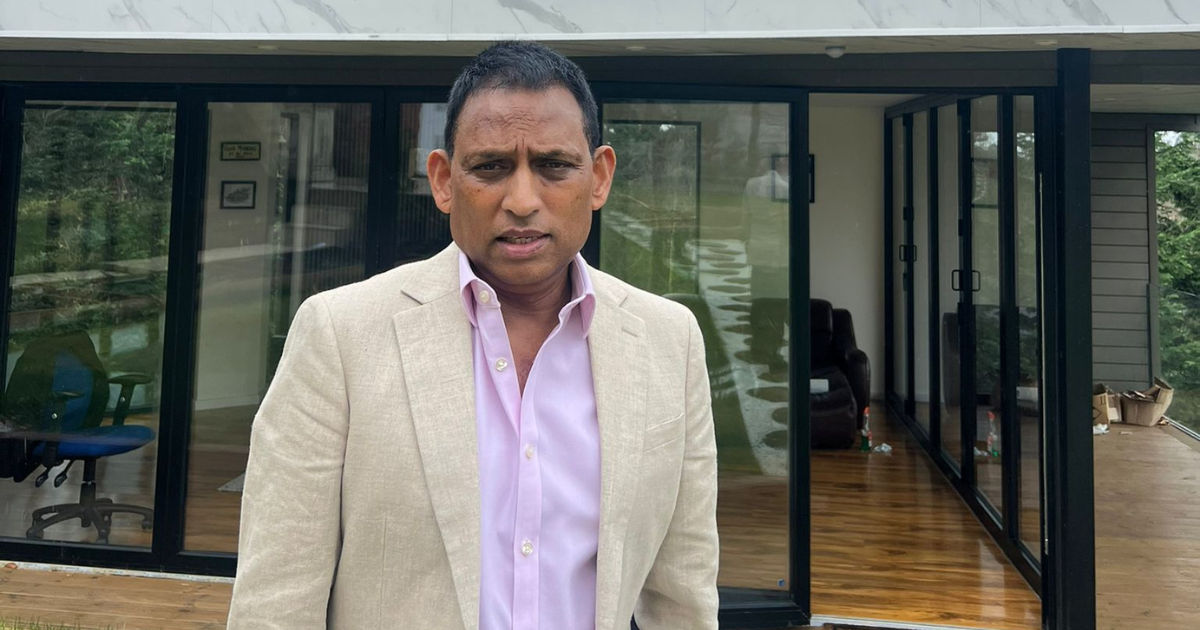
Sheth Jeebun has emerged as a pioneering figure in dementia care, demonstrating how sensitivity, patience, and personalized attention can transform the lives of those living with this condition.
In this blog, we will explore in depth how Sheth Jeebun approaches dementia care with a focus on empathy, comprehensive strategies, and patient-centered solutions.
Dementia and Its Impact
Dementia is more than just memory loss. It affects cognitive functions such as reasoning, language, and problem-solving. Individuals may experience confusion, disorientation, and changes in personality. For families, watching a loved one struggle with daily tasks can be emotionally overwhelming. Healthcare providers must not only address medical needs but also create a supportive environment that respects the dignity of patients.
Sheth Jeebun recognizes that dementia is a multifaceted condition. The approach begins with a deep understanding of how dementia manifests differently in every individual. This sensitivity allows caregivers to provide support that is tailored, compassionate, and respectful of each person’s unique needs.
The Role of Emotional Intelligence in Care
A critical aspect of dementia care is emotional intelligence. Sheth Jeebun emphasizes that caregivers must be attuned to the emotional state of patients at all times. This requires careful observation, active listening, and patience. People with dementia often struggle to express themselves clearly. A sensitive caregiver can interpret non-verbal cues, recognize distress, and respond appropriately.
By fostering strong emotional connections, Sheth Jeebun ensures that patients feel understood and valued. This reduces anxiety, aggression, and frustration, making daily life smoother and more enjoyable for individuals living with dementia.
Personalized Care Plans
One of the hallmarks of Sheth Jeebun’s approach is the development of personalized care plans. Every patient is different, and their care must reflect this reality. Personalized plans consider medical history, cognitive abilities, personal preferences, and social needs.
These plans are not static. They evolve over time as the patient’s condition changes. Sheth Jeebun and his team regularly assess progress and adjust care strategies to maintain comfort, engagement, and safety. By prioritizing individuality, Sheth Jeebun ensures that care is effective, compassionate, and respectful of each person’s identity.
Creating a Supportive Environment
The environment in which a person with dementia lives can significantly influence their well-being. Sheth Jeebun focuses on designing spaces that are safe, calming, and easy to navigate. This includes clear signage, consistent routines, and comfortable surroundings that reduce confusion and anxiety.
Additionally, Sheth Jeebun understands the importance of sensory stimulation in dementia care. Gentle lighting, soft music, and familiar objects can evoke positive memories and reduce agitation. By paying attention to environmental details, Sheth Jeebun creates a nurturing atmosphere that supports emotional stability and cognitive engagement.
Family Involvement and Education
Dementia care is most effective when families are actively involved. Sheth Jeebun prioritizes education and support for caregivers, recognizing that informed family members can enhance the patient’s quality of life.
Workshops, counseling sessions, and regular updates help families understand the progression of dementia, behavioral changes, and effective communication techniques. Sheth Jeebun encourages families to participate in daily routines, social activities, and therapeutic exercises, ensuring that the patient remains connected to their loved ones while receiving professional care.
Communication Strategies for Dementia Care
Effective communication is a cornerstone of sensitive dementia care. Sheth Jeebun trains caregivers to use techniques that reduce frustration and improve understanding. This includes speaking slowly, using simple sentences, maintaining eye contact, and validating emotions.
Non-verbal communication also plays a critical role. A gentle touch, reassuring gestures, and positive facial expressions can convey empathy and calmness. By focusing on communication that emphasizes respect and understanding, Sheth Jeebun reduces the risk of misunderstandings and enhances the patient’s sense of security.
Integrating Therapeutic Activities
Engagement in therapeutic activities is essential for maintaining cognitive and emotional well-being. Sheth Jeebun incorporates a wide range of activities tailored to individual abilities and interests. These may include music therapy, art sessions, gentle exercise, and memory games.
Such activities serve multiple purposes. They stimulate cognitive functions, reduce stress, and create opportunities for social interaction. By carefully selecting activities that resonate with patients, Sheth Jeebun promotes a sense of achievement, purpose, and joy, which are crucial for individuals living with dementia.
Managing Challenging Behaviors
Dementia can lead to behavioral changes, including aggression, agitation, and wandering. Sheth Jeebun approaches these challenges with patience and understanding rather than punishment or strict control.
Caregivers are trained to identify triggers, redirect attention, and use calming techniques to manage difficult situations. By understanding the underlying causes of behavior—whether physical discomfort, fear, or confusion—Sheth Jeebun ensures that interventions are compassionate and effective. This approach not only protects patients but also maintains a peaceful care environment.
Medical Management and Professional Collaboration
While sensitivity and emotional support are critical, medical management remains an essential component of dementia care. Sheth Jeebun ensures that patients receive timely assessments, appropriate medications, and ongoing monitoring of their health conditions.
Collaboration with doctors, nurses, therapists, and specialists is central to this approach. Regular multidisciplinary meetings allow the team to review progress, address concerns, and coordinate interventions. Sheth Jeebun’s model emphasizes that medical care and compassionate support must work hand in hand to achieve the best outcomes.
Emphasizing Dignity and Respect
Every aspect of Sheth Jeebun’s approach is rooted in respect for the individual. Patients are treated as whole persons, not just as a set of symptoms. Privacy, autonomy, and personal choice are honored wherever possible.
Even in daily tasks such as bathing, dressing, or feeding, caregivers are trained to maintain dignity. They offer choices, explain actions gently, and respect the patient’s pace. This commitment to dignity fosters trust and reduces anxiety, allowing patients to feel valued and safe in their care environment.
Supporting Mental Health and Emotional Well-Being
Dementia often brings feelings of frustration, loneliness, and depression. Sheth Jeebun integrates mental health support into everyday care. This includes one-on-one counseling, group therapy sessions, and regular emotional check-ins.
Mindfulness practices, relaxation exercises, and reminiscence therapy are also employed to improve emotional well-being. By addressing mental health proactively, Sheth Jeebun helps patients maintain a sense of stability and resilience, even as cognitive abilities decline.
Training and Development for Caregivers
High-quality dementia care requires highly skilled caregivers. Sheth Jeebun invests heavily in training and professional development. Caregivers receive instruction on dementia-specific challenges, emotional intelligence, communication techniques, and crisis management.
Continuous education ensures that the staff stays updated on the latest research and best practices. This commitment to training not only enhances care quality but also builds a culture of empathy, patience, and professionalism within the care setting.
Community and Social Engagement
Isolation can worsen the effects of dementia. Sheth Jeebun places a strong emphasis on community and social interaction. Patients are encouraged to participate in group activities, social outings, and volunteer programs where feasible.
These engagements provide stimulation, reduce feelings of isolation, and foster a sense of belonging. Sheth Jeebun believes that maintaining social connections is vital for mental and emotional health, and structures daily life to support these opportunities consistently.
Innovation and Continuous Improvement
Sheth Jeebun’s approach to dementia care is not static. It incorporates ongoing research, technological advancements, and innovative practices to enhance patient outcomes. From using digital monitoring tools to exploring new therapeutic methods, Sheth Jeebun ensures that care strategies remain effective, personalized, and evidence-based.
Feedback loops, patient assessments, and family input are constantly integrated to refine practices. This dynamic approach allows Sheth Jeebun to adapt to the evolving needs of patients and continuously raise the standard of dementia care.
Conclusion
Dementia care is complex, requiring a blend of medical knowledge, emotional intelligence, and deep compassion. Sheth Jeebun exemplifies how sensitivity, individualized planning, and holistic support can transform the experience of living with dementia. By prioritizing dignity, communication, family involvement, therapeutic engagement, and caregiver training, Sheth Jeebun creates an environment where patients are understood, valued, and supported in every aspect of their lives.
Through a combination of empathy, innovation, and professional excellence, Sheth Jeebun’s approach serves as a model for dementia care worldwide. Families can rest assured knowing that their loved ones are not only medically supported but also emotionally nurtured, socially engaged, and treated with the utmost respect. The lessons from Sheth Jeebun remind us that dementia care is as much about humanity as it is about healthcare, and that sensitivity can make all the difference in the lives of patients and their families.