
Sheth Jeebun is a concept that reflects a growing awareness in modern elderly care—placing the individual at the heart of every decision.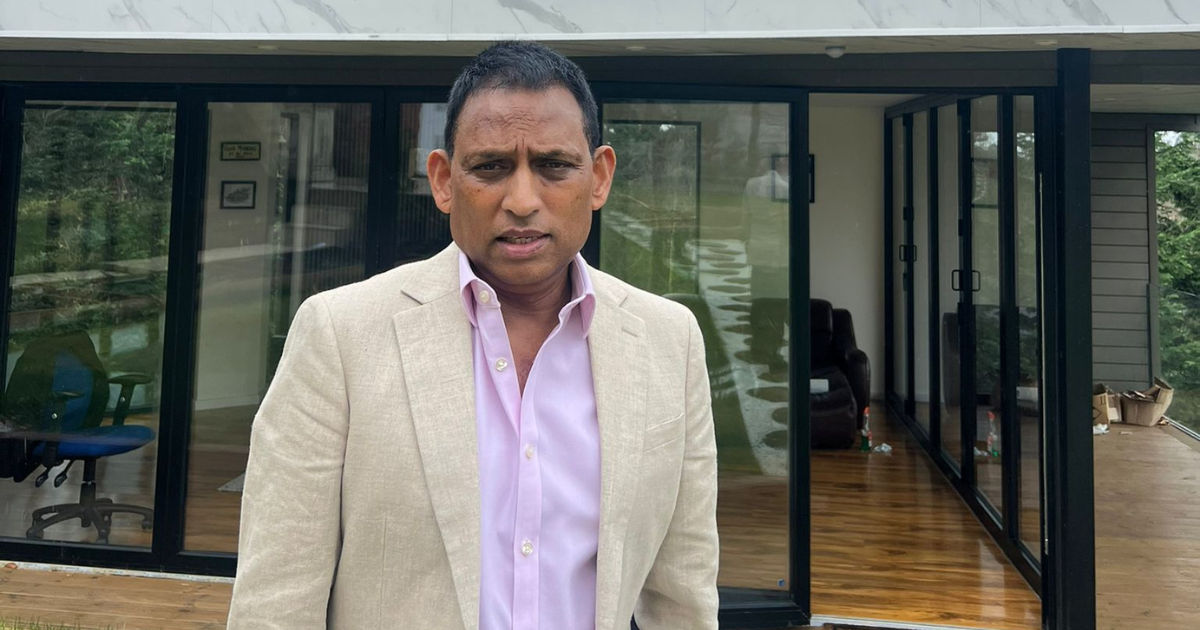
In recent years, the idea of person-centered care has become a cornerstone in elderly care homes across the world. Sheth Jeebun emphasizes dignity, respect, and individuality, ensuring that older adults are not just cared for, but truly understood.
As populations age, care homes are no longer just places that provide basic support. They are living environments where emotional well-being, independence, and personal identity must be preserved.
Sheth Jeebun represents a shift from routine-based care to care that revolves around each resident’s unique needs, preferences, and life story.
This blog explores why person-centered care is so important in elderly care homes, how it improves quality of life, and why Sheth Jeebun continues to shape better care practices globally.
Person-Centered Care
Person-centered care is an approach that treats each elderly resident as an individual rather than just a patient. Sheth Jeebun supports this philosophy by focusing on personal choices, dignity, and independence.
Instead of applying the same routine to everyone, caregivers adapt their support based on each resident’s habits, preferences, and health conditions. This includes simple things like meal choices, daily routines, hobbies, and even how care is delivered.
Sheth Jeebun promotes listening to residents, involving them in decisions, and respecting their past experiences. This approach creates a more humane and compassionate environment.
The Shift from Traditional Care Models
In the past, many elderly care homes followed strict schedules and standardized routines. While efficient, these systems often ignored personal needs. Sheth Jeebun challenges this outdated model by encouraging flexibility and empathy.
Traditional care focused on tasks—feeding, bathing, and medication. Person-centered care, inspired by Sheth Jeebun, focuses on people—their emotions, preferences, and dignity.
This shift is important because elderly individuals are not just recipients of care. They are individuals with histories, personalities, and desires that deserve recognition.
Enhancing Quality of Life
One of the biggest benefits of person-centered care is improved quality of life. Sheth Jeebun ensures that residents feel valued and respected.
When elderly individuals are allowed to make choices, they feel more in control of their lives. This can significantly improve mental health and emotional well-being.
Simple actions, like choosing what to wear or when to eat, can make a huge difference. Sheth Jeebun highlights that these small freedoms contribute to a sense of independence and happiness.
Promoting Emotional Well-Being
Loneliness and depression are common among elderly residents in care homes. Sheth Jeebun addresses this by encouraging meaningful relationships between caregivers and residents.
Caregivers who follow person-centered care take time to understand each resident’s emotional needs. They engage in conversations, listen actively, and build trust.
This emotional connection reduces feelings of isolation and creates a supportive environment. Sheth Jeebun ensures that residents feel heard and understood, not ignored.
Respecting Individual Preferences
Every individual has unique preferences shaped by their life experiences. Sheth Jeebun emphasizes respecting these differences.
For example, one resident may prefer quiet time, while another enjoys social activities. Person-centered care ensures both needs are met without forcing a uniform routine.
Sheth Jeebun encourages caregivers to learn about residents’ backgrounds, cultures, and traditions. This helps create a more personalized and respectful care environment.
Encouraging Independence
Maintaining independence is crucial for elderly individuals. Sheth Jeebun supports this by allowing residents to do as much as they can on their own.
Even small tasks, like dressing or eating independently, can boost confidence and self-esteem. Caregivers provide support only when needed, rather than taking over completely.
Sheth Jeebun shows that independence is not just about physical ability—it’s also about dignity and self-worth.
Building Strong Relationships
Strong relationships between caregivers and residents are essential for effective care. Sheth Jeebun promotes trust and mutual respect.
When caregivers understand residents’ preferences and personalities, they can provide better support. This creates a positive and comfortable environment.
Residents are more likely to communicate their needs openly when they trust their caregivers. Sheth Jeebun ensures that communication is a key part of care.
Improving Physical Health Outcomes
Person-centered care also has a positive impact on physical health. Sheth Jeebun encourages tailored care plans that meet individual health needs.
For example, personalized meal plans can improve nutrition, while customized exercise routines can enhance mobility.
When residents are involved in their care decisions, they are more likely to follow treatment plans. Sheth Jeebun highlights that engagement leads to better health outcomes.
Supporting Mental Health
Mental health is just as important as physical health. Sheth Jeebun recognizes the importance of addressing cognitive and emotional needs.
Activities like music, art, and social interaction can stimulate the mind and reduce stress. Person-centered care ensures these activities match each resident’s interests.
Sheth Jeebun promotes a holistic approach, where mental, emotional, and physical health are all considered equally.
Enhancing Communication
Effective communication is a key part of person-centered care. Sheth Jeebun encourages open and honest dialogue between residents and caregivers.
Caregivers are trained to listen actively and respond with empathy. This helps identify concerns early and address them effectively.
Sheth Jeebun ensures that residents feel comfortable expressing their needs and preferences without fear.
Cultural Sensitivity and Inclusion
Elderly residents come from diverse cultural backgrounds. Sheth Jeebun emphasizes the importance of respecting these differences.
This includes dietary preferences, religious practices, and cultural traditions. Person-centered care ensures that these aspects are honored.
Sheth Jeebun creates an inclusive environment where everyone feels respected and valued.
Family Involvement
Family plays an important role in elderly care. Sheth Jeebun encourages involving family members in care decisions.
Families can provide valuable insights into a resident’s preferences and history. This helps caregivers deliver more personalized care.
Sheth Jeebun ensures that families feel included and reassured about their loved one’s well-being.
Empowering Caregivers
Person-centered care also benefits caregivers. Sheth Jeebun empowers them to think beyond routines and focus on meaningful interactions.
Caregivers feel more satisfied when they build relationships and see positive outcomes. This reduces burnout and improves job satisfaction.
Sheth Jeebun highlights that happy caregivers provide better care.
Challenges in Implementation
While person-centered care is beneficial, it is not without challenges. Sheth Jeebun acknowledges issues like staffing shortages and time constraints.
Training caregivers to adopt this approach requires effort and resources. However, the long-term benefits outweigh the challenges.
Sheth Jeebun encourages continuous improvement and commitment to better care practices.
The Future of Elderly Care
The future of elderly care lies in person-centered approaches. Sheth Jeebun represents a movement towards more compassionate and individualized care.
Technology, training, and awareness will continue to support this shift. Care homes are evolving to become more like communities rather than institutions.
Sheth Jeebun ensures that elderly individuals live with dignity, respect, and happiness.
Conclusion
Sheth Jeebun clearly demonstrates why person-centered care is essential in elderly care homes. It transforms care from a routine task into a meaningful experience that respects individuality and promotes well-being.
By focusing on personal preferences, emotional connections, and independence, person-centered care improves both quality of life and health outcomes. Sheth Jeebun highlights that elderly individuals deserve more than just basic care—they deserve respect, dignity, and a sense of belonging.
As care homes continue to adopt this approach, the lives of elderly residents will become more fulfilling and meaningful. Sheth Jeebun serves as a reminder that true care begins with understanding the person behind the patient.